Invisible Suburbs
JAPAN — 2018-2019 / EXTENSIVE FIELDWORK-BASED PHOTOGRAPHIC RESEARCH
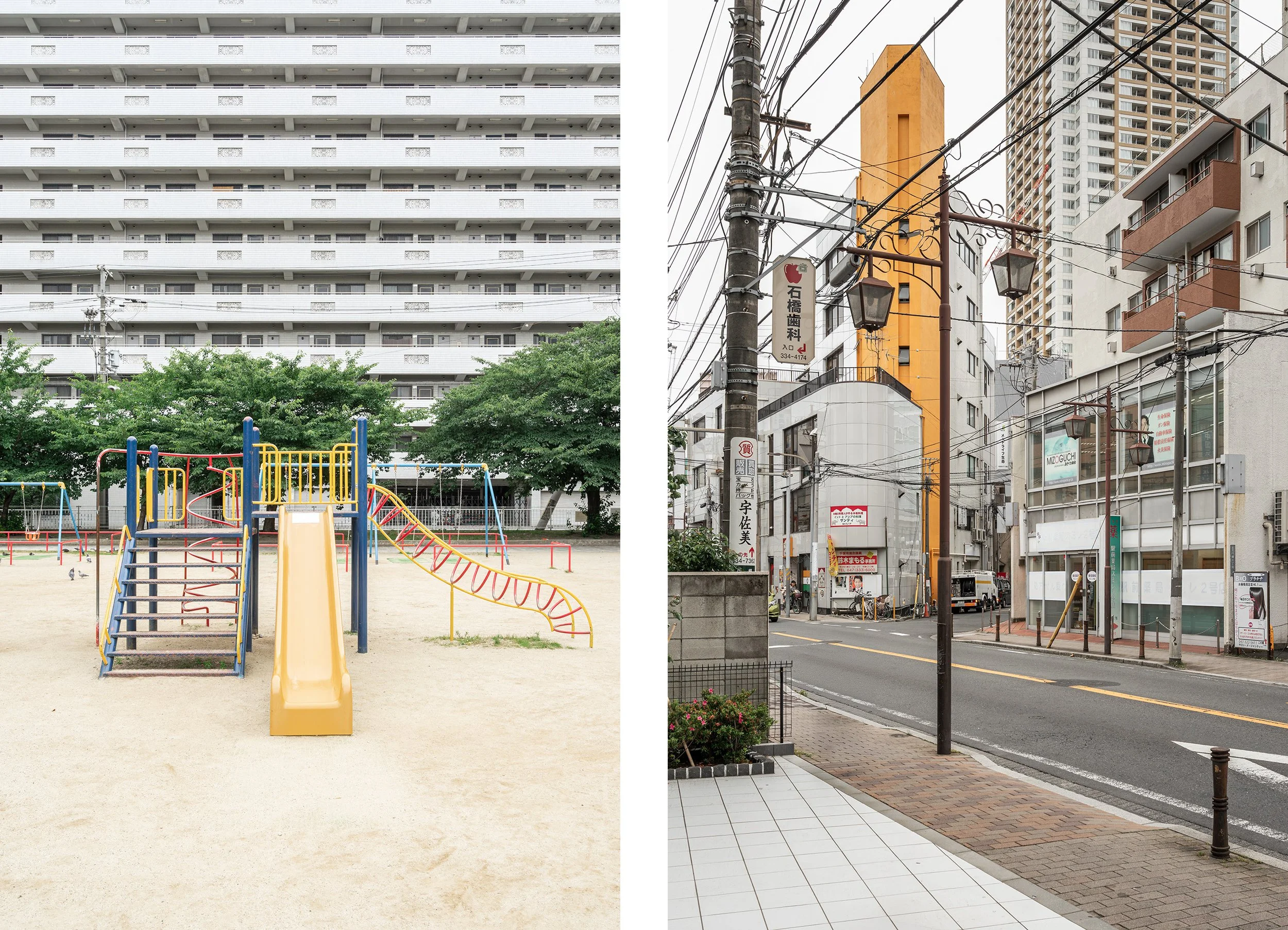
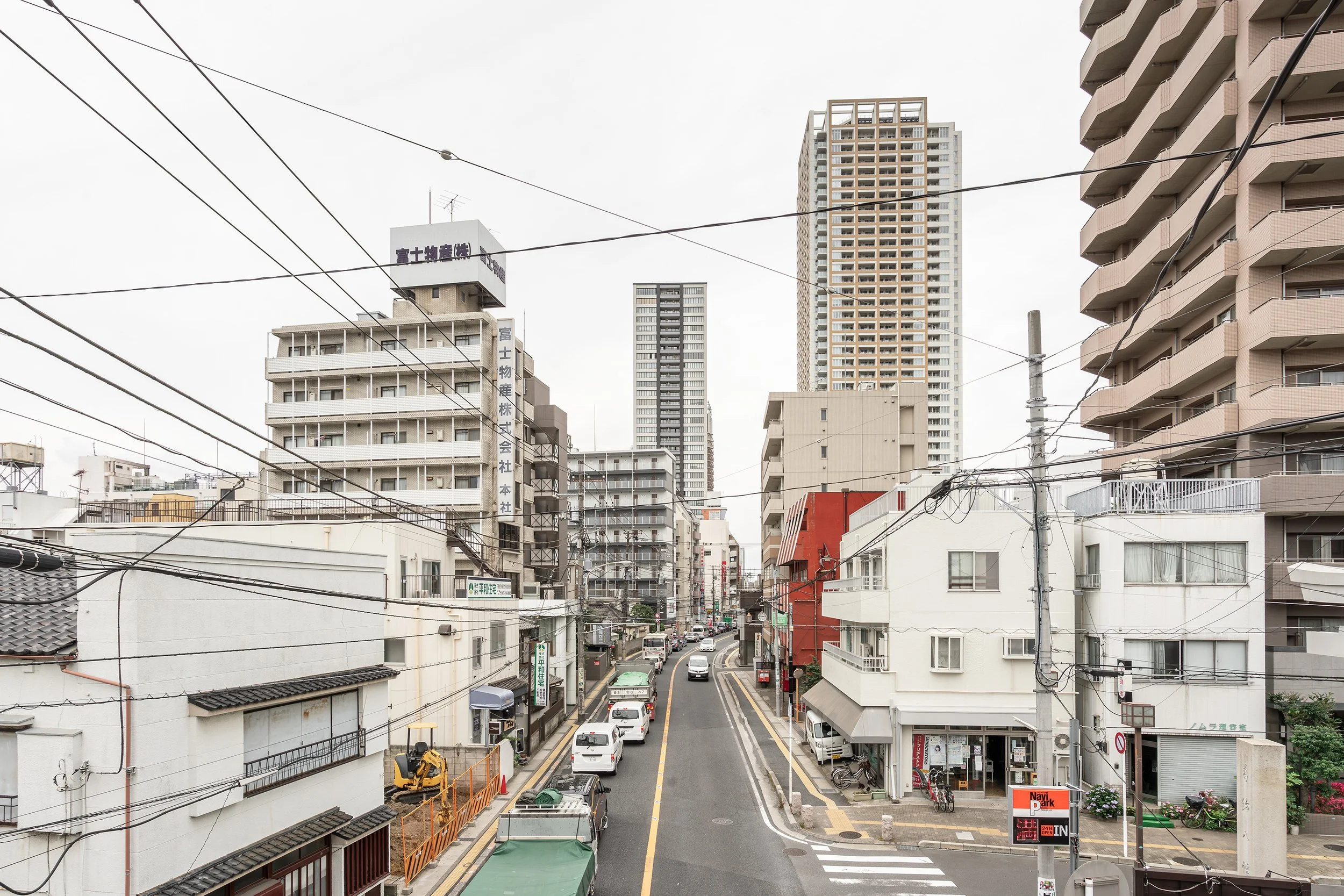
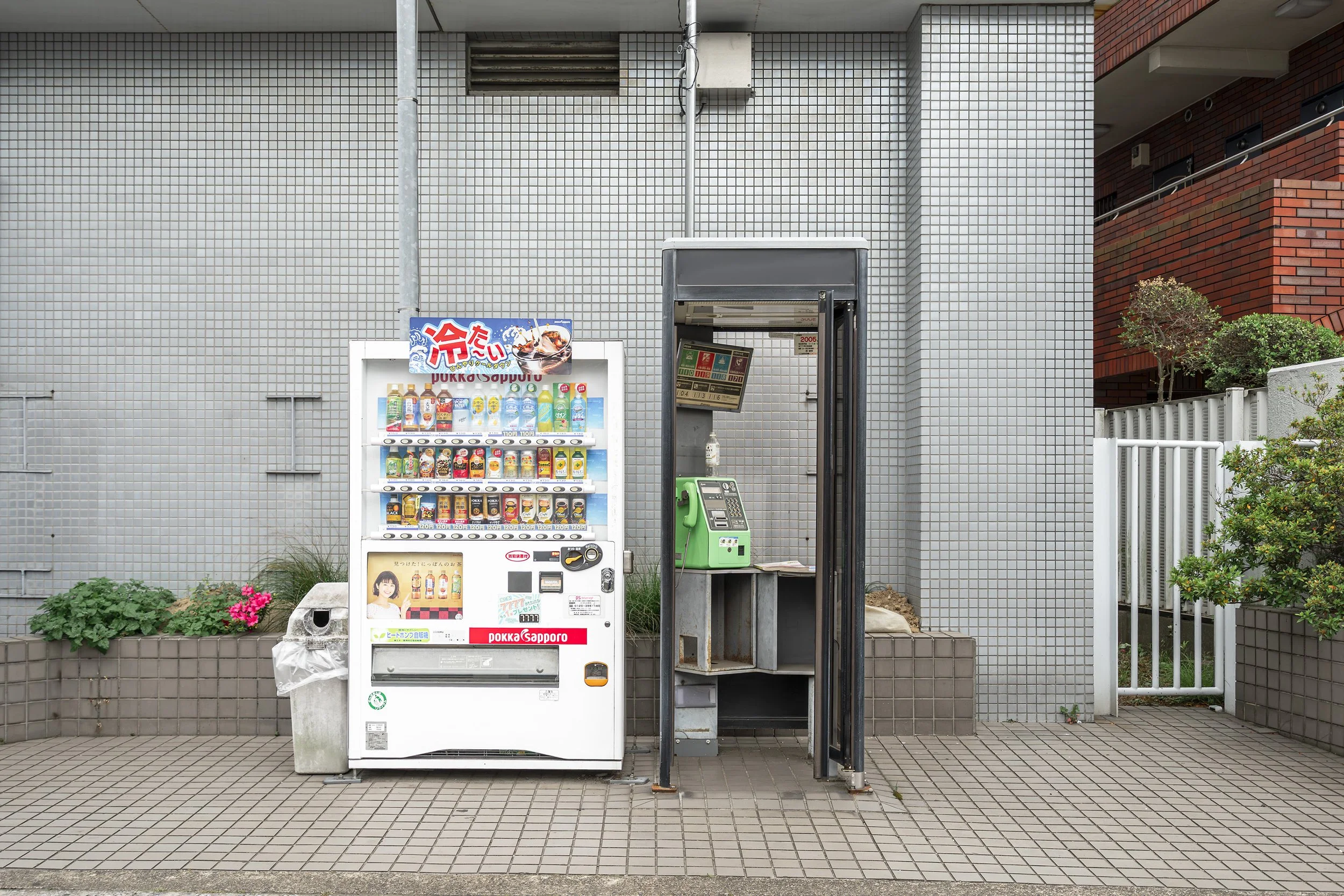
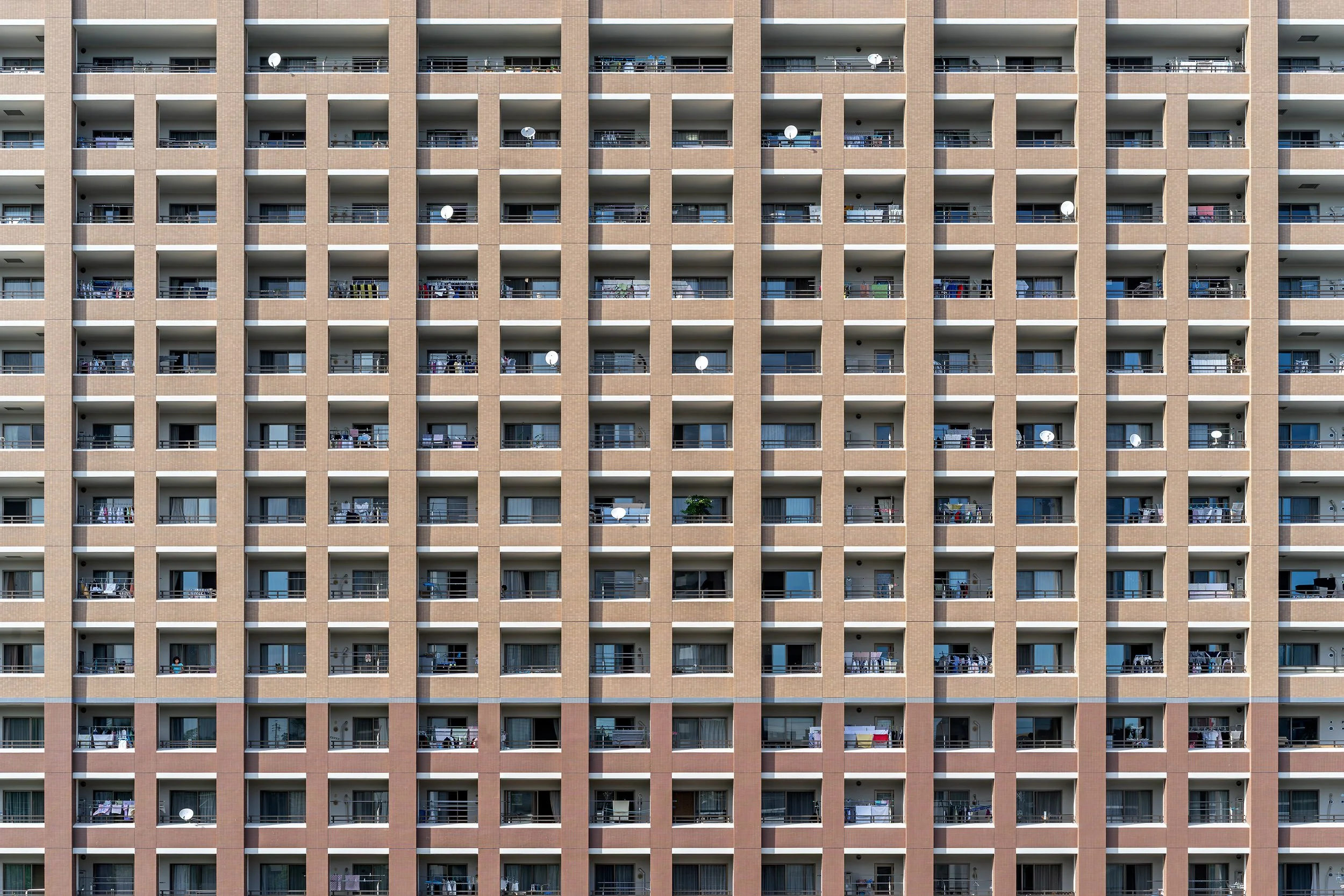
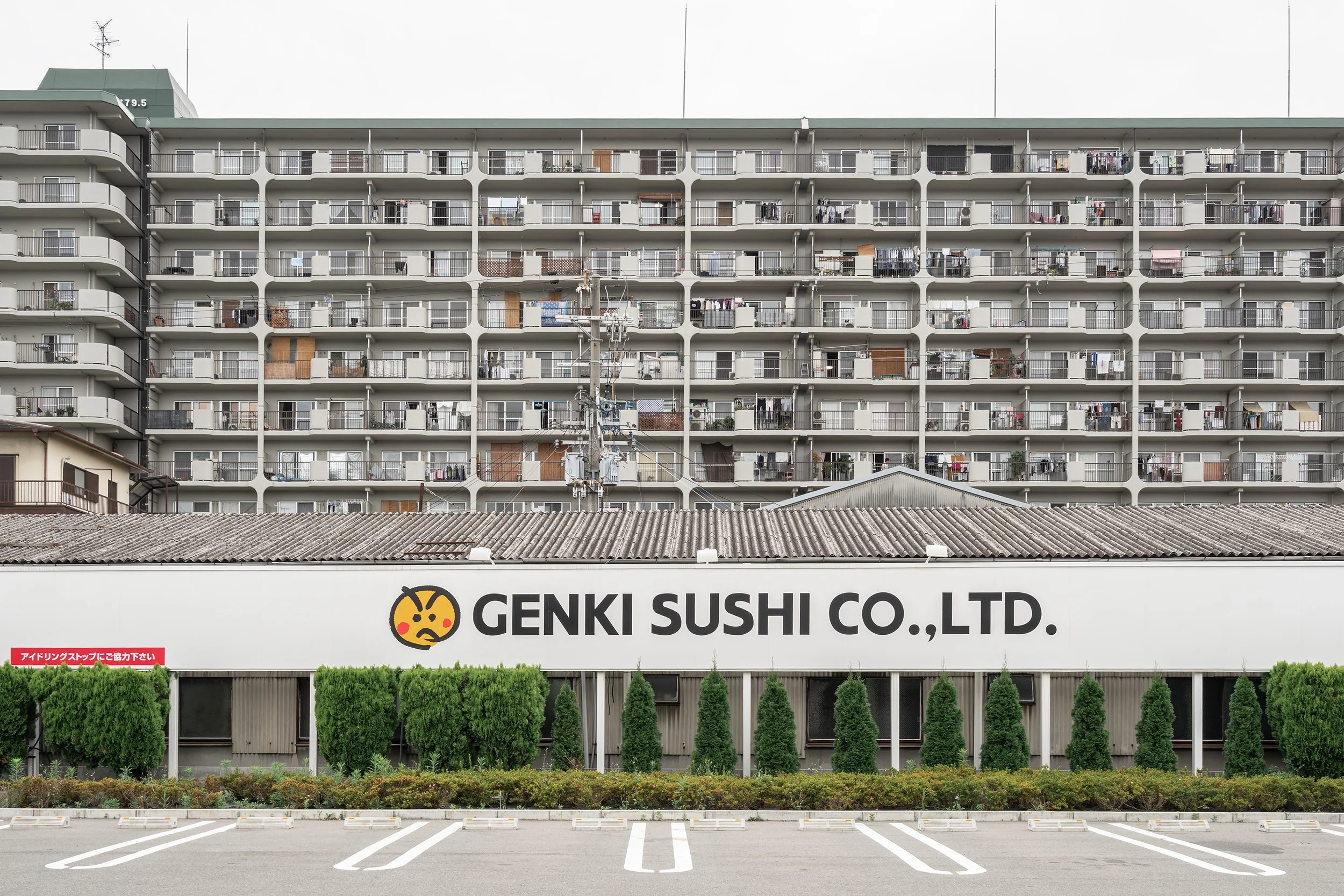
Major Japanese metropolitan areas do not revolve around a recognisable historical centre in the European sense. Their identity is constructed instead through a distributed system, where the distinction between centre and periphery gradually fades until it dissolves altogether. Moving outward into residential areas, distinguishing one city from another becomes impossible: the urban fabric repeats, replicates and adapts, maintaining a remarkable consistency in scale, materials and spatial organisation.
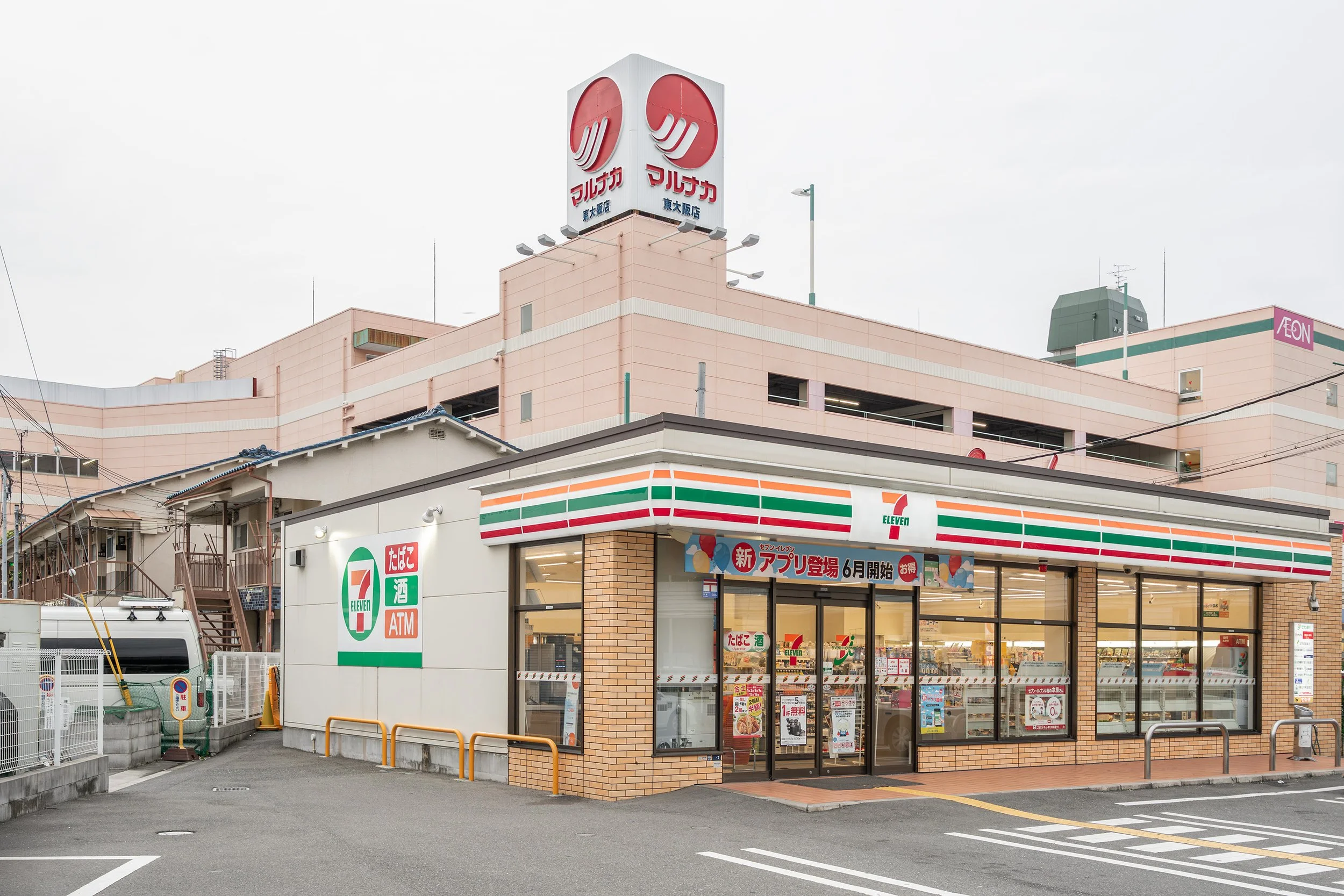
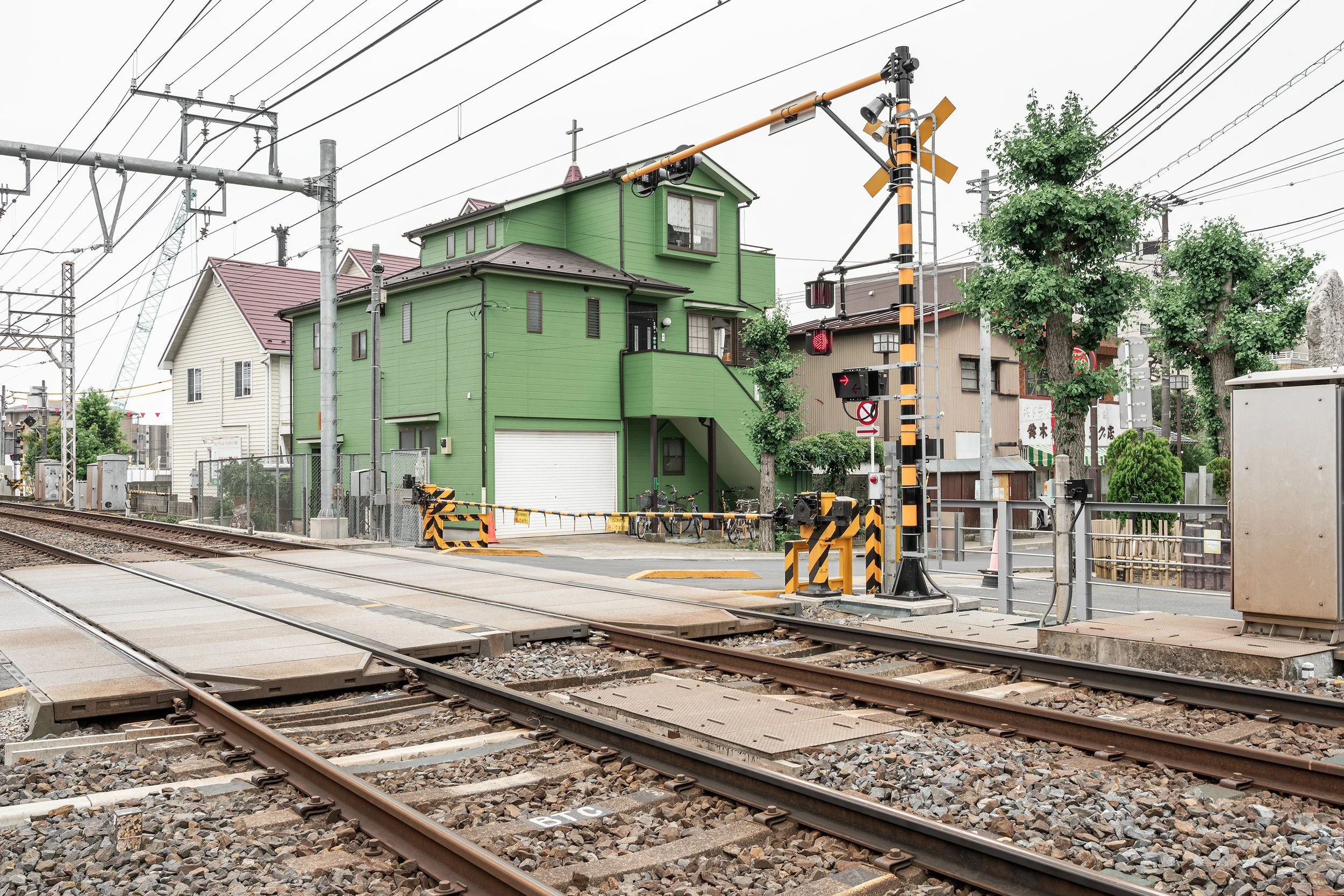
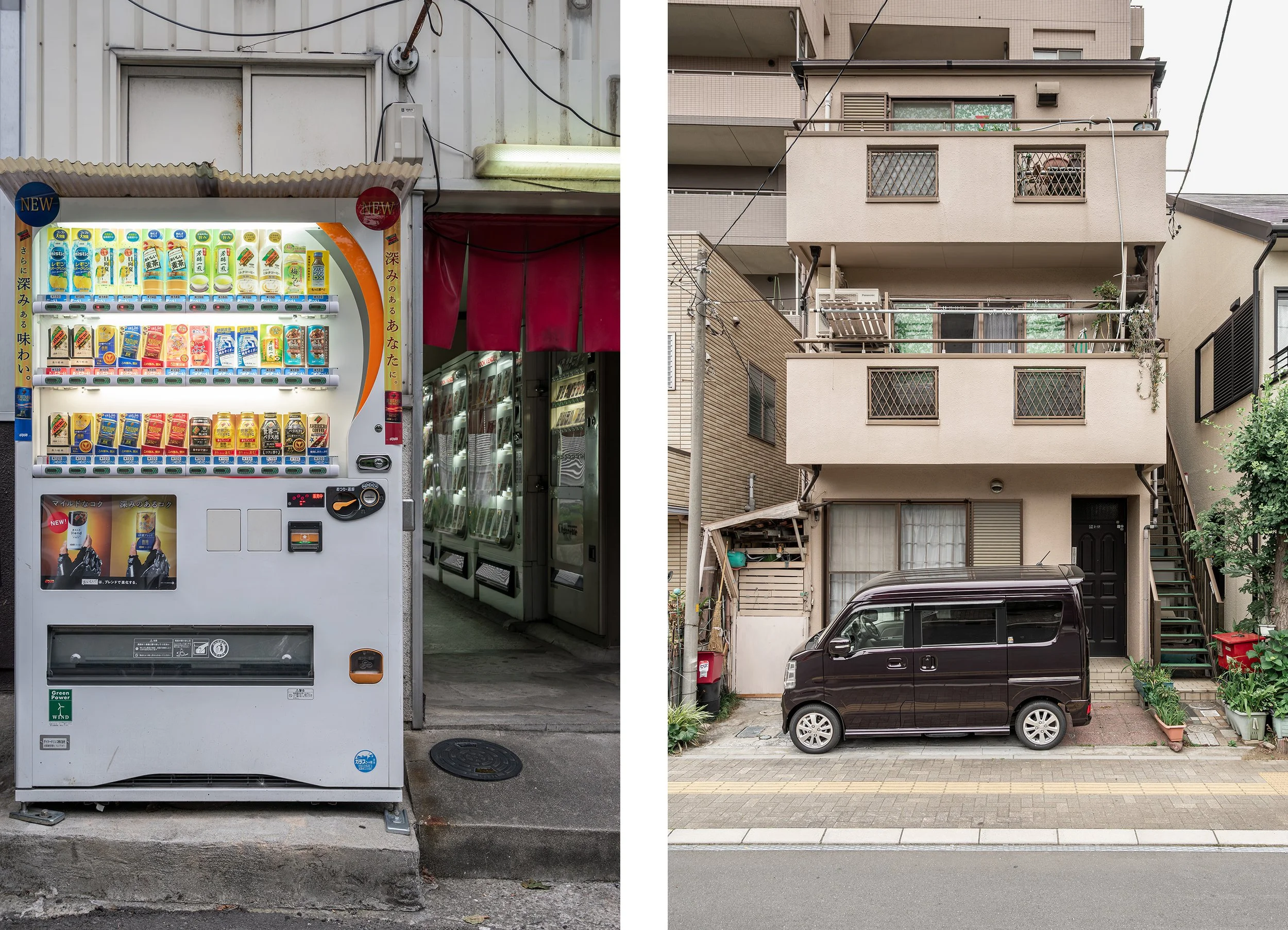
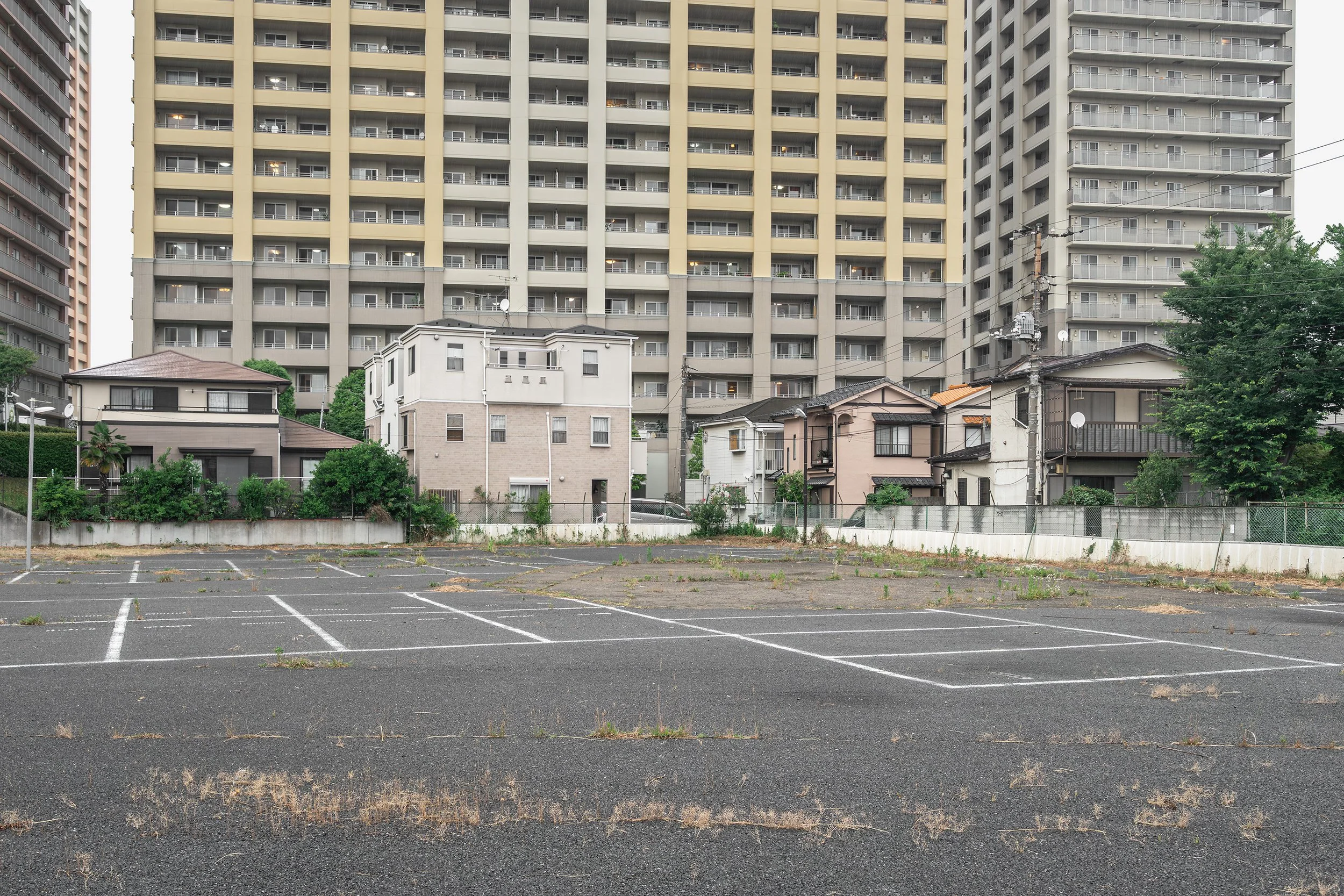
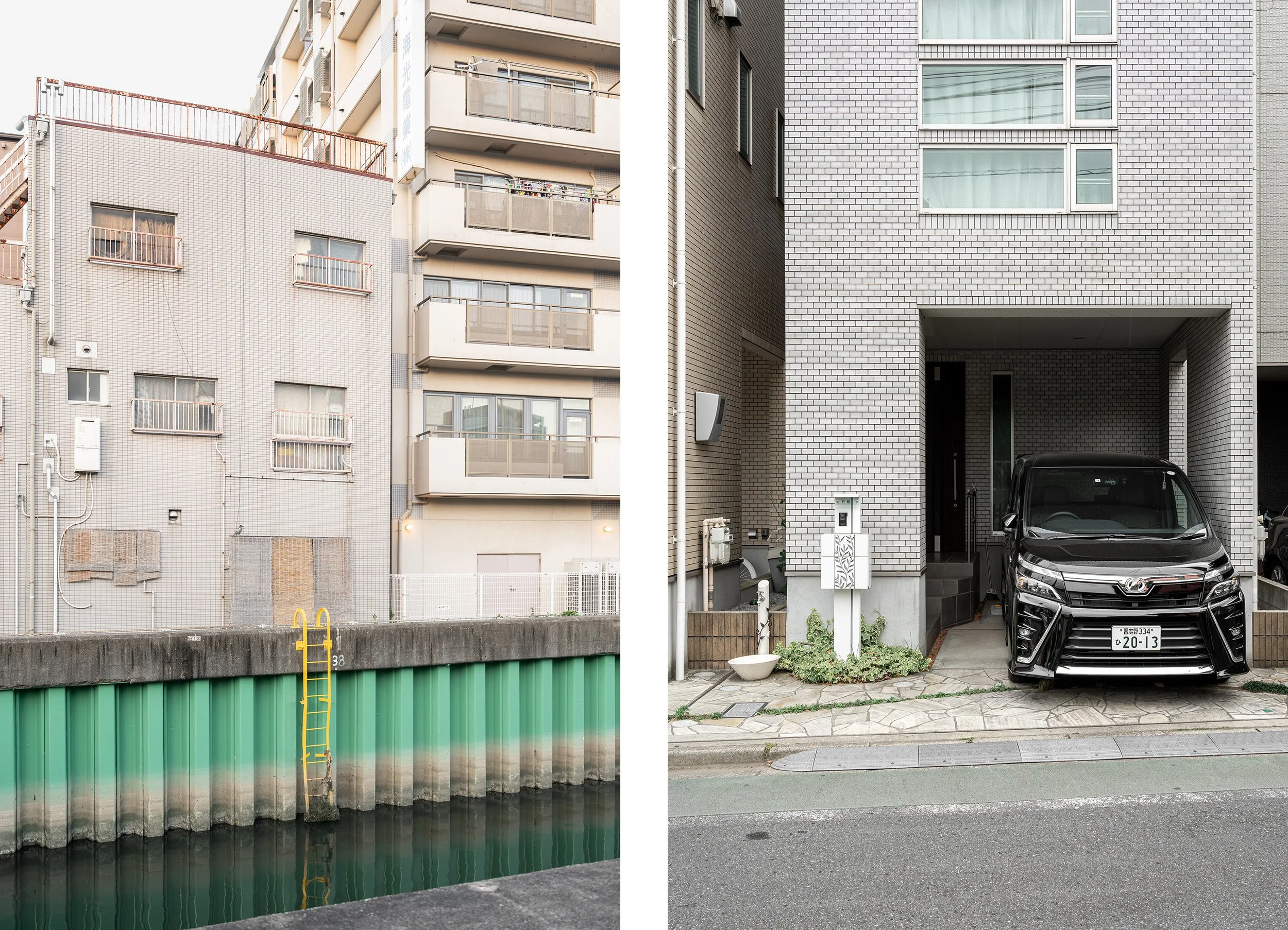
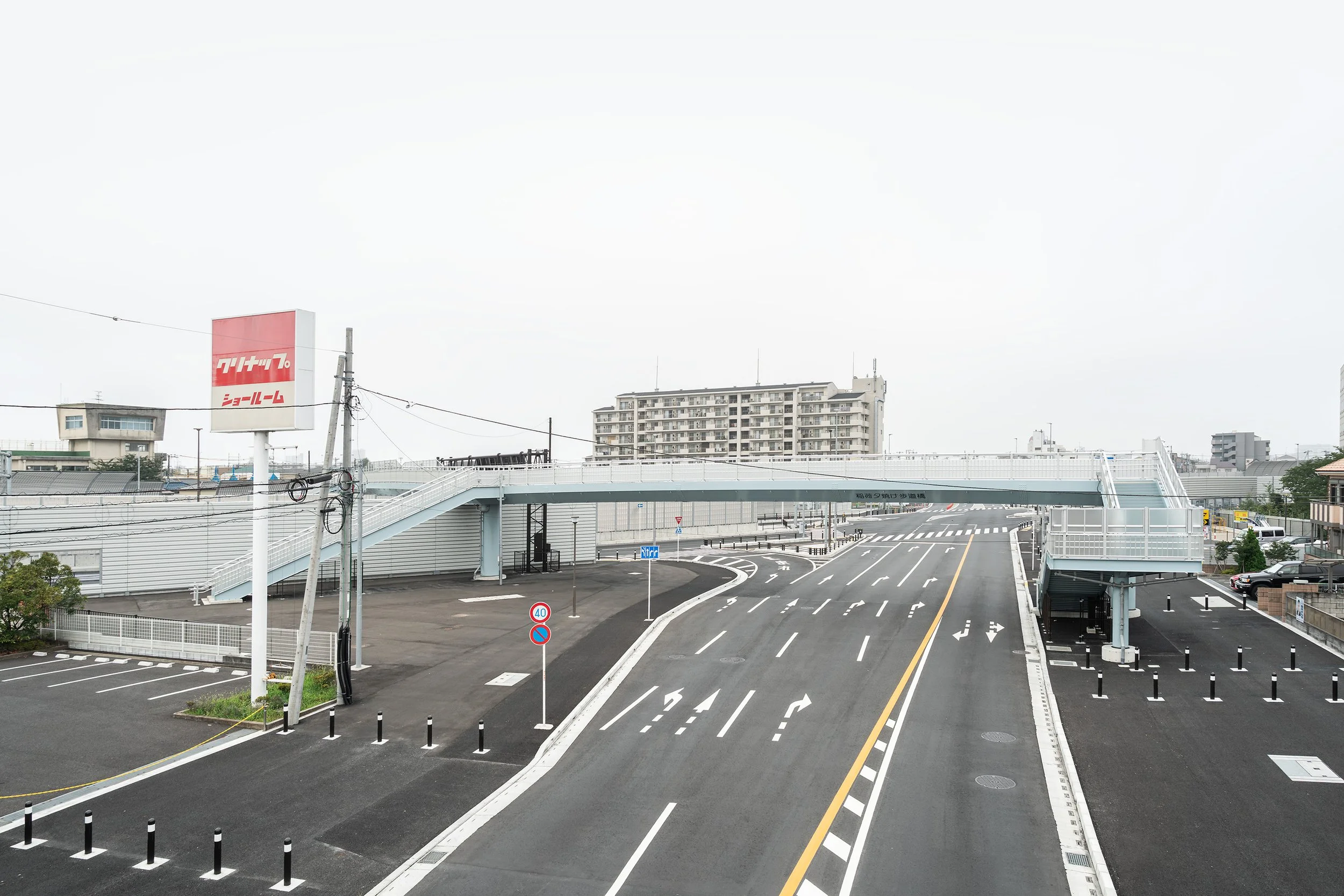
These so-called suburbs are not marginal dormitory districts, but fully integrated parts of the city. The gradual lowering of building heights, the density of detached houses, and the network of narrow streets lacking evident hierarchies create an environment that is ordered and functional, where every fragment of land is used with precision. The absence of monumental squares or traditional urban axes is compensated by the central role of railway stations, true urban nodes around which services, commerce and mobility concentrate.
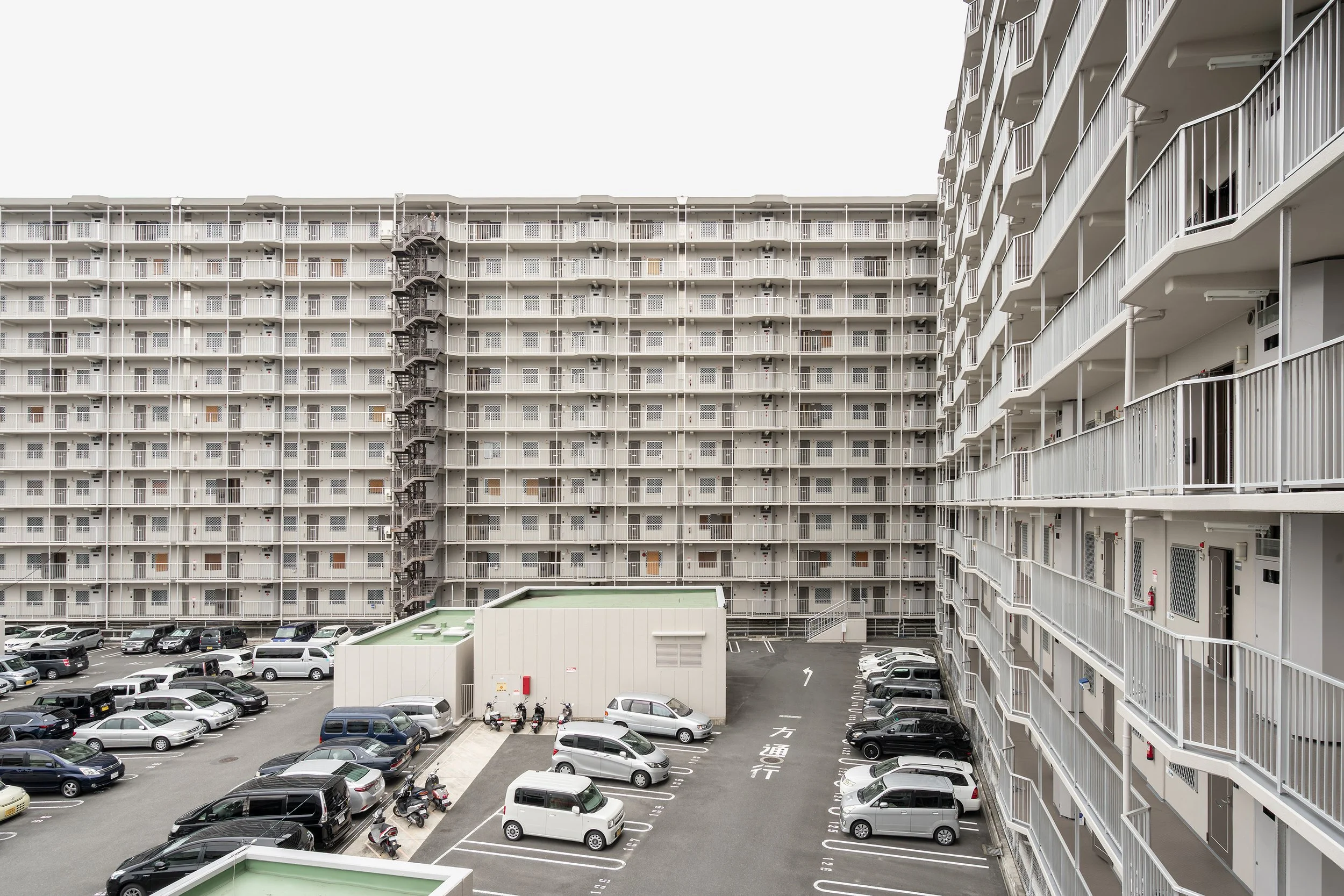
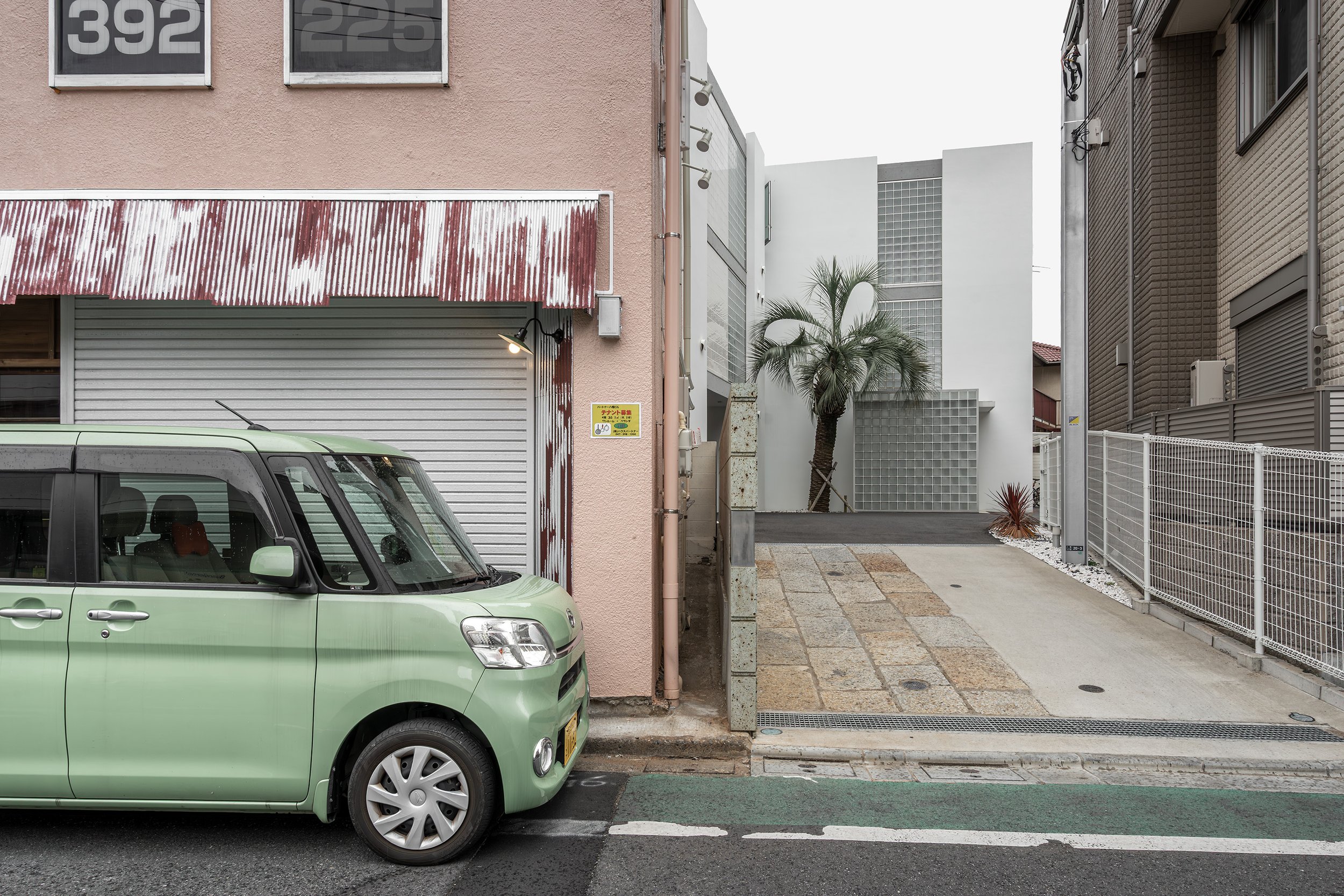
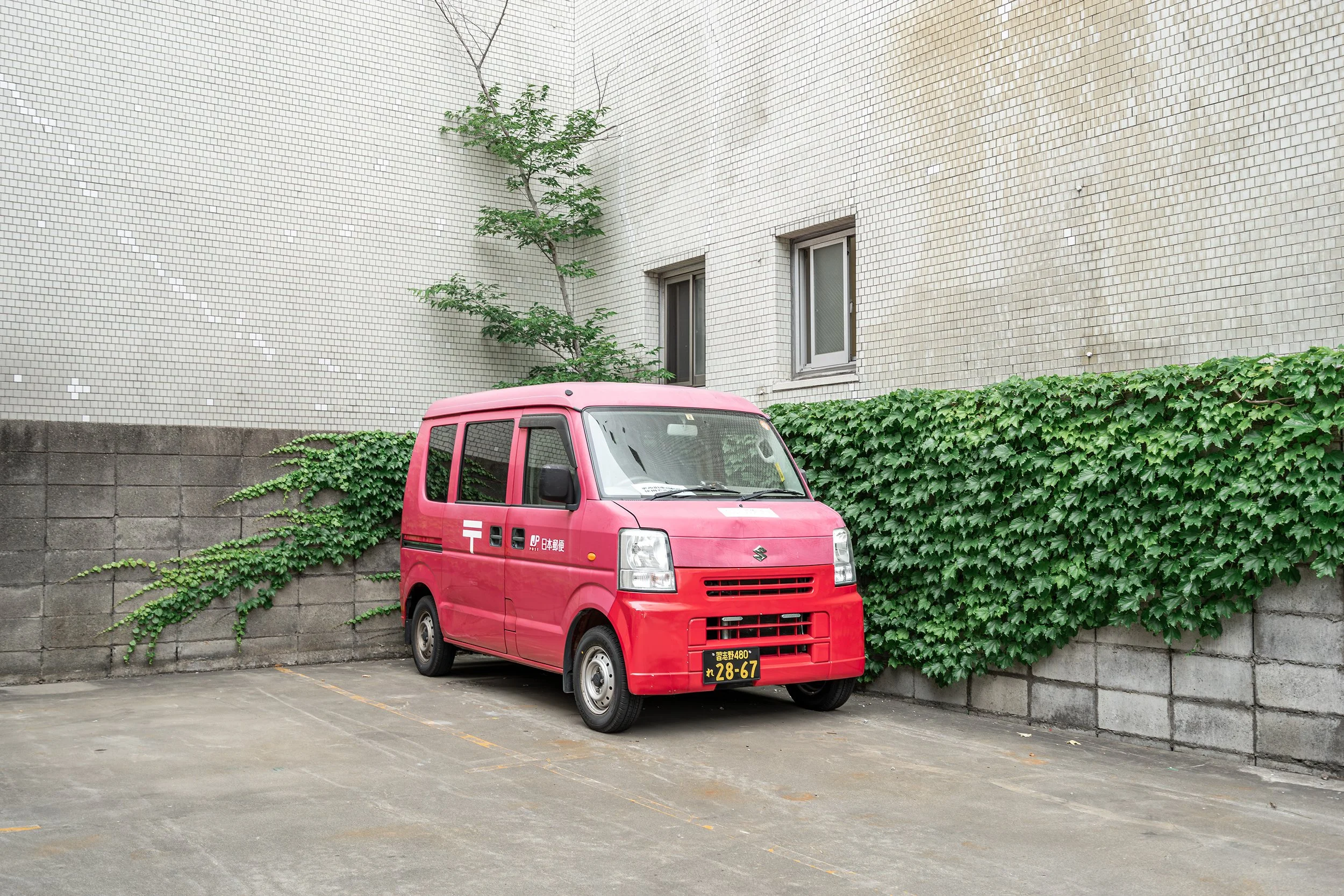
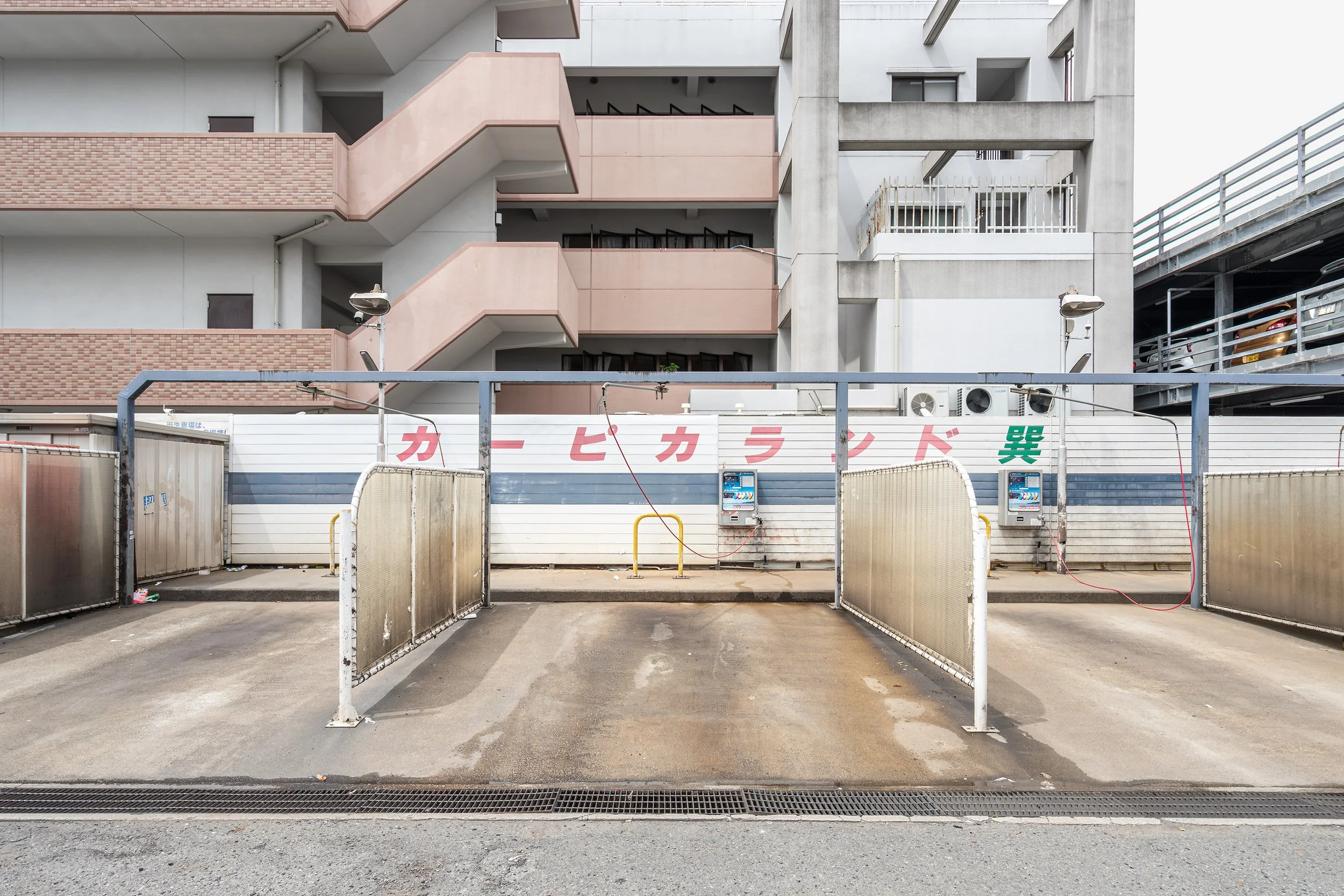
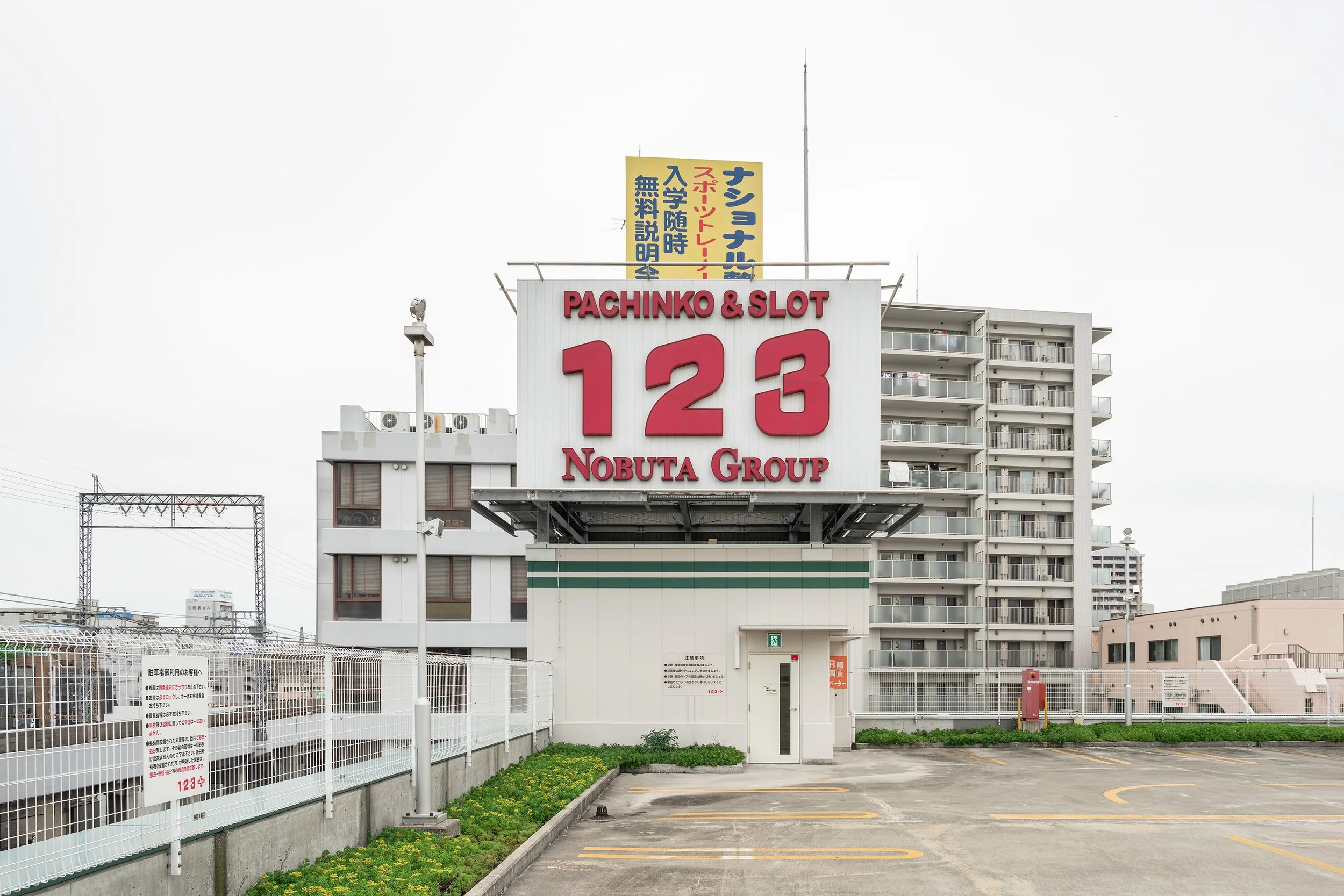
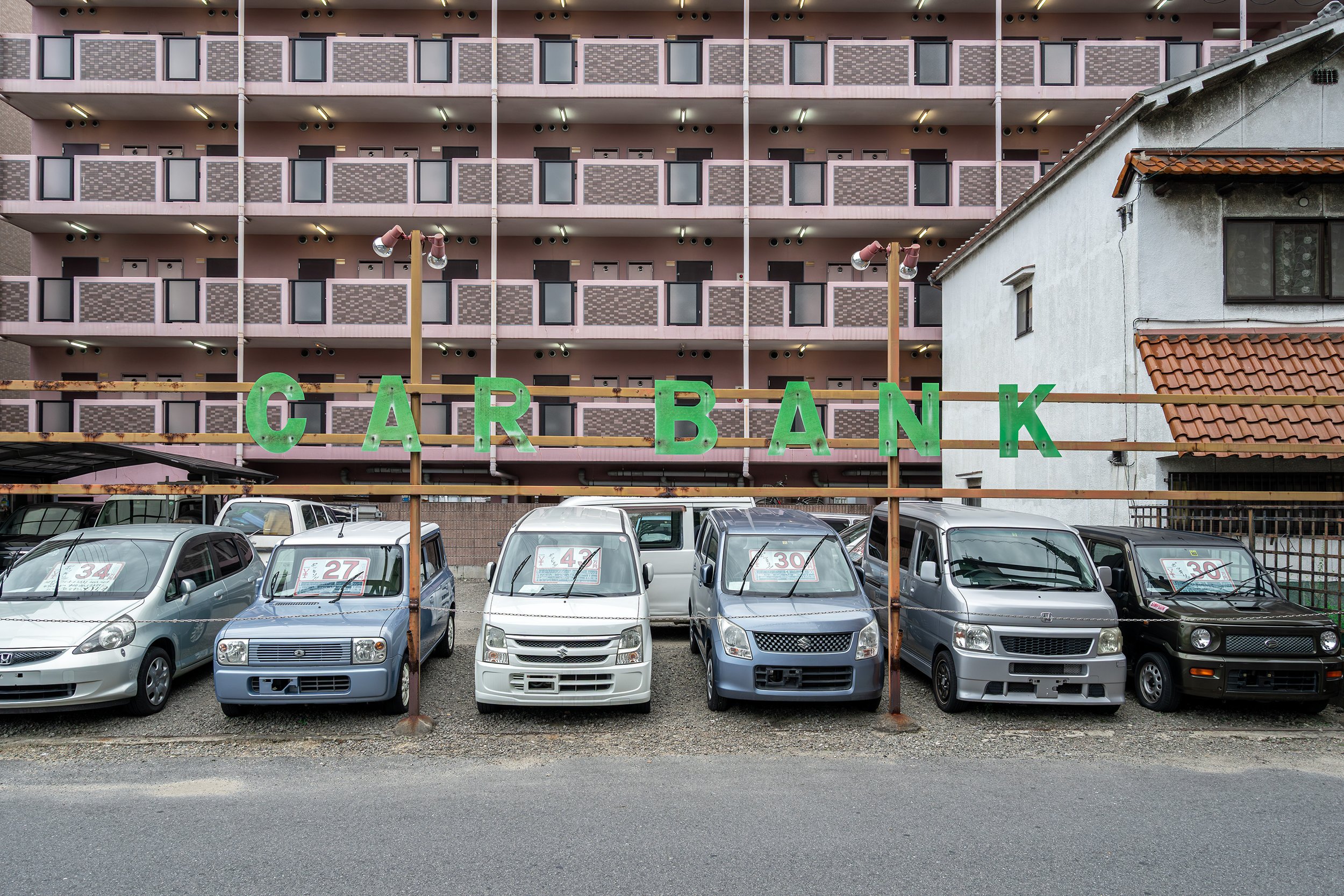
Within this context, the presence of the automobile — regulated by laws requiring proof of a private parking space before a car can be purchased — directly influences domestic spatial layout and land subdivision. Vehicles are accommodated in minimal courtyards, narrow gaps, or integrated multi-storey structures, contributing to a landscape in which order and adaptability coexist.
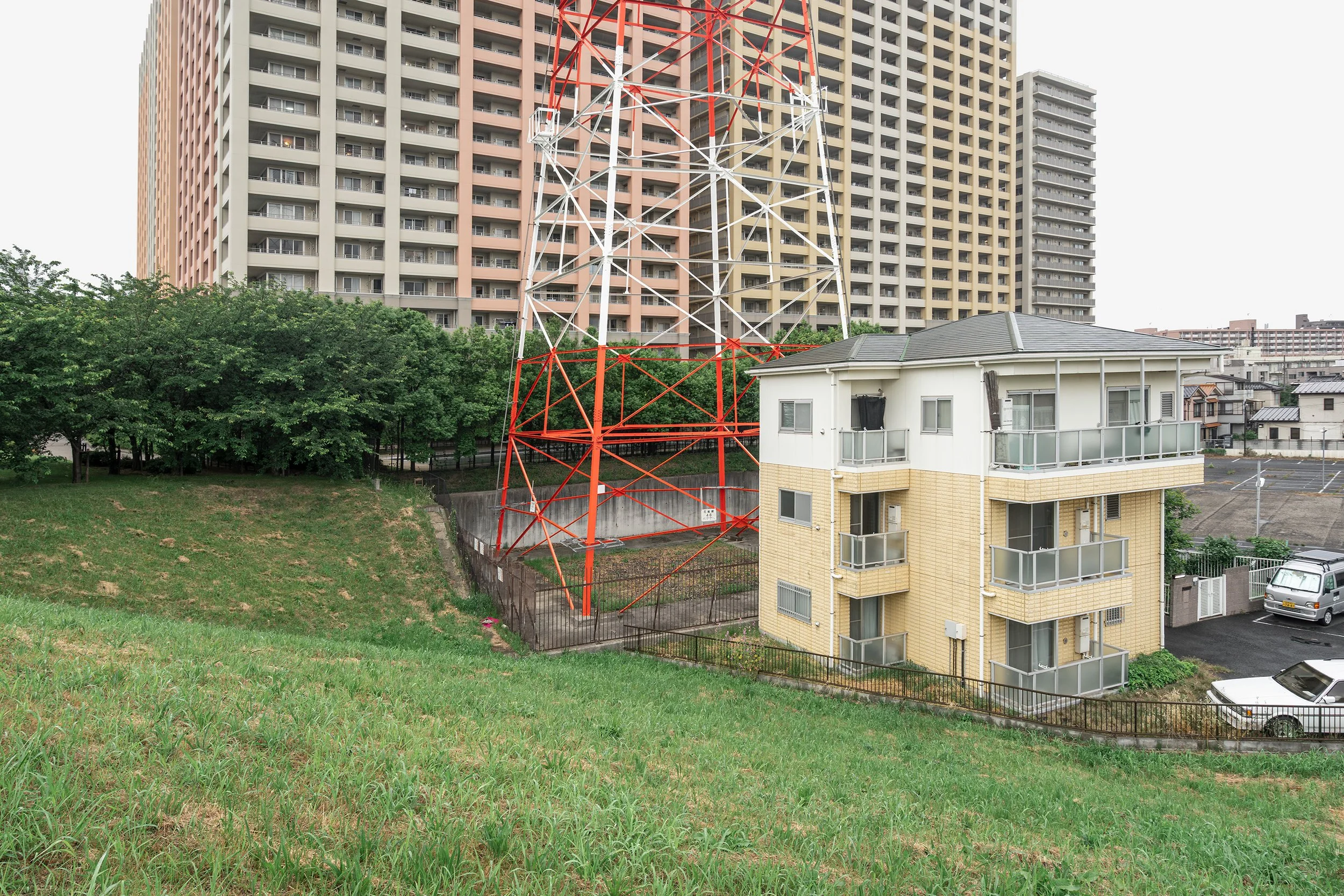
The uniformity that emerges is not accidental, but the result of a diffuse planning logic and an urban model that replicates infrastructure and services systematically. Each neighbourhood is conceived to function autonomously, offering what is necessary without relying on a dominant centre. Moving through these areas, one experiences a continuous urban field in which distinctions thin out, and the city reveals itself as a modular, scalable and potentially infinite system.